



AI-Powered Audit Preparation: Efficient, Consistent, and Verifiable
Regulatory audits have long become part of day-to-day operations for organizations. At the same time, the pressure on specialist departments continues to increase: audit cycles are becoming shorter, audit scopes more complex, requirements more detailed, and evidence expectations more extensive. Many organizations face the same challenge: a considerable portion of available expert capacity is consumed by recurring preparation and analysis activities that, while requiring specialist expertise, often follow similar underlying structures.
The real burden rarely arises from individual audit questions. Rather, it is the accumulation of numerous small analysis and coordination tasks that becomes critical: What regulatory expectation lies behind a particular question? Which evidence is relevant? Which policies already address the topic? Where do inconsistencies or potential gaps exist? Which statements are defensible, and which may be vulnerable from a regulatory perspective?
This is precisely where structured AI assistance systems open up new possibilities. Not as a replacement for professional accountability, but as a systematic means of supporting recurring cognitive activities within regulatory audit processes. The resulting transformation can be summarized across three key dimensions: efficiency, consistency, and scalability.
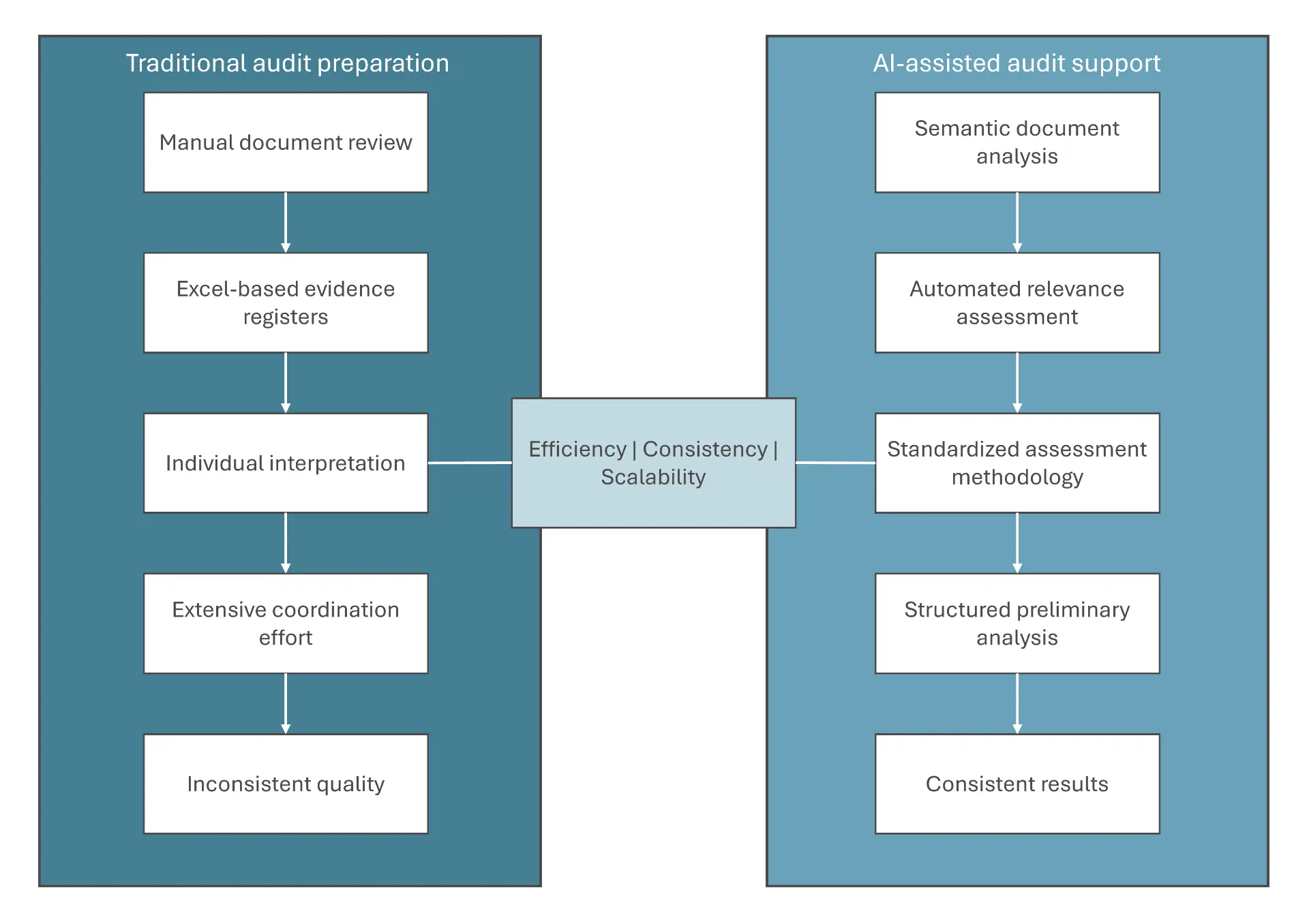
Figure 1: Comparison of traditional and AI-assisted approaches
Audit preparation is primarily a cognitive analysis process
Many discussions about automation focus on workflows, data transfers, or process digitization. However, the real challenge of regulatory audit preparation often lies much deeper.
Audit processes largely consist of linguistic and analytical work. Audit questions must be interpreted, regulatory expectations understood, and existing evidence assessed in terms of its content and relevance. Information often needs to be consolidated from multiple documents and evaluated for consistency. This creates numerous intermediate analytical steps that have traditionally been performed manually.
Traditional automation naturally reaches its limits in this area. Rule-based systems work well for clearly structured procedures. However, the professional evaluation of regulatory content is rarely entirely deterministic. This is precisely why a substantial portion of these activities has historically remained the responsibility of experienced specialists.
Modern Large Language Models (LLMs) now make it possible to support such analytical processes in a structured manner. Their real value lies less in general knowledge and more in their ability to systematically compare, structure, and assess complex information against predefined criteria.
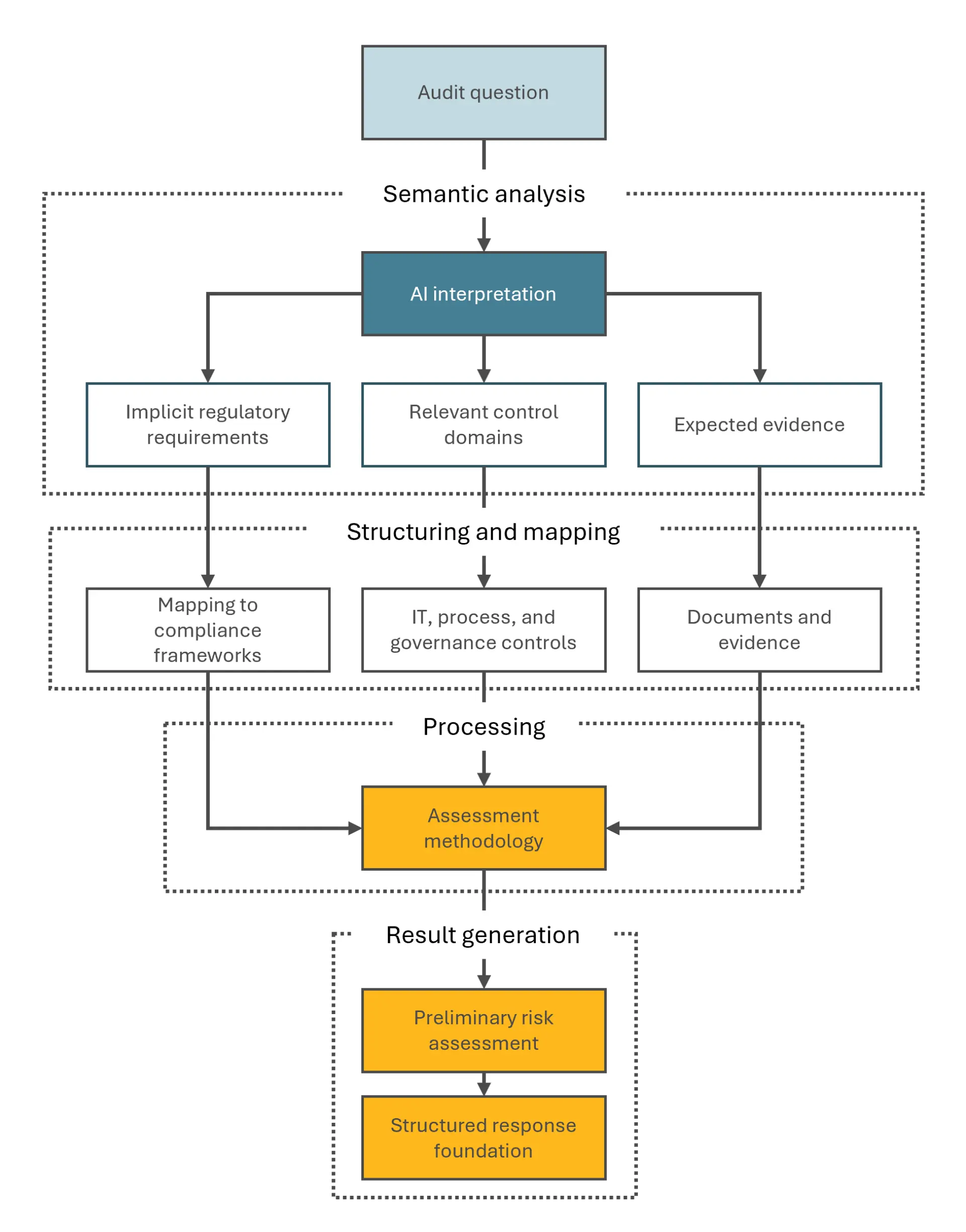
Figure 2: Analytical support through AI assistance
From chatbots to structured audit support
The productive use of AI in audit processes differs significantly from simple chatbot applications. A single generic prompt rarely produces reliable results in regulatory contexts. What truly matters is the combination of professional structuring, iterative processing, and clearly defined assessment methodologies.
For example, an AI assistance system for audit preparation may first classify audit questions and derive the underlying implicit requirements. The organizational context can also be considered during this process. Relevant policies, process documentation, and control evidence can then be identified and analyzed semantically. Subsequent processing steps may establish relationships between information, identify potential deviations, and highlight regulatory weaknesses.
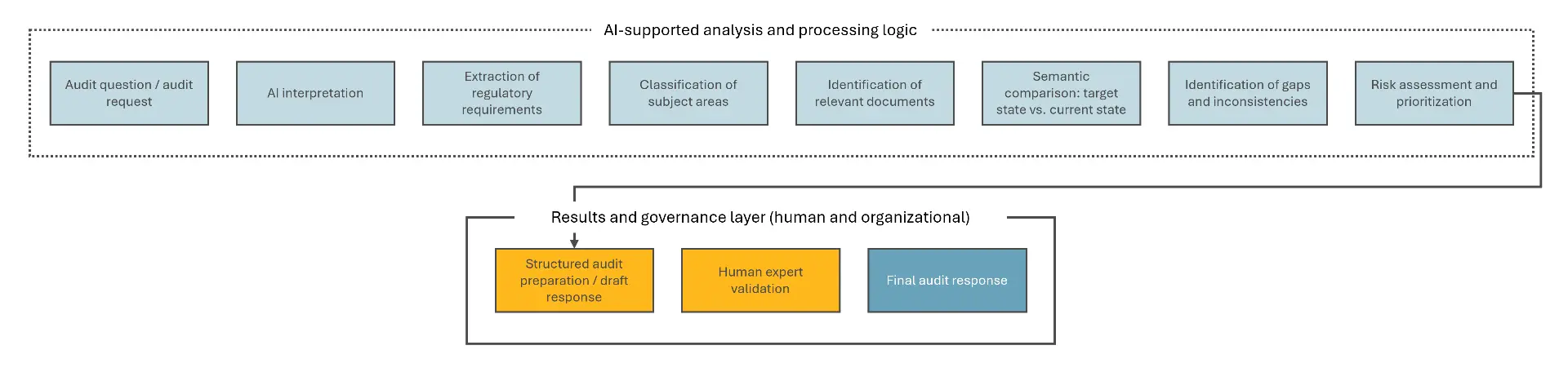
Figure 3: Decomposition of tasks through AI and opportunities for organizational and human oversight
The key principle is the decomposition of complex audit processes into transparent and traceable individual steps. This creates a structured form of professional assistance rather than opaque end-to-end automation.
Particularly in large audits involving hundreds of questions, this approach creates substantial leverage. Many analytical activities follow recurring patterns and can therefore be accelerated significantly through iterative AI-supported processing without relinquishing professional control.
The quality of the analysis does not primarily stem from broad general knowledge. Instead, it results from the structured processing of clearly defined regulatory and organizational context information.
The true strength lies in analytical consistency
In practice, the quality of audit preparation often depends heavily on experience, time pressure, and individual working styles. Different teams may interpret the same question differently, evaluate evidence inconsistently, and struggle to reuse existing knowledge effectively.
Structured AI assistance systems can create significant value by increasing consistency. Assessment methodologies can be standardized, analytical procedures made reproducible, and regulatory questions evaluated against uniform criteria.
The result is not only faster processing but often a more consistent and reliable audit preparation process. Professional assessments become more transparent, differences between teams are reduced, and potential weaknesses can be identified earlier.
This aspect offers particularly significant potential for large organizations with distributed responsibilities and multiple stakeholder groups.
Traceability becomes the key success factor
For organizations, transparency in regulatory processes is essential. This is precisely why the productive use of AI in this environment will only succeed where analysis and assessment processes remain understandable and traceable.
The strength of structured AI assistance systems therefore lies not only in automation itself but in the ability to make intermediate steps visible and reproducible. Specialist teams can understand why certain documents were classified as relevant, which regulatory requirements were identified, and how specific assessments were reached.
This creates a form of auditable and traceable AI support that is far better aligned with the requirements of regulated industries than fully autonomous decision-making models.
Professional accountability remains firmly with the organization and its responsible employees. AI merely extends the ability to systematically analyze and consistently evaluate large volumes of regulatory information.
Professionally configurable AI rather than generic automation
Another critical factor is the ability to tailor such systems to professional requirements. Not every organization evaluates risks in the same way. Different institutions maintain different control maturity levels, regulatory priorities, and organizational objectives.
Structured AI assistance systems make it possible to adapt assessment methodologies specifically to these conditions. Risk appetite, prioritization criteria, organizational context, and desired levels of control depth can all be incorporated within clearly defined governance boundaries. The result is not a generic off-the-shelf solution but a professionally configurable assistance model.
This adaptability is likely to become a critical success factor over time. While regulatory processes differ in their details, they frequently follow the same fundamental analytical and assessment patterns.
The value extends far beyond time savings
The benefits of AI-supported audit assistance are often reduced to efficiency gains and time savings alone. In reality, the value proposition is much broader.
Preliminary analyses, document reviews, and consistency checks can certainly be accelerated significantly. More importantly, however, highly qualified professionals can be relieved of repetitive analytical tasks. This creates more capacity for expert judgment, critical evaluation, and the strategic management of regulatory topics.
An additional benefit is the improved scalability of knowledge. Assessment patterns, regulatory interpretations, and proven analytical approaches no longer remain solely as tacit knowledge held by individual experts. Instead, they can be systematically embedded within structured AI-supported processes and reused across the organization.
Against the backdrop of increasing regulatory requirements and limited expert resources, this aspect is likely to become increasingly important in the years ahead.
Conclusion
Audit preparation and support during audit execution are among the regulatory processes that are particularly well suited to structured AI assistance. The reason is not complete automation, but rather the recurring cognitive patterns that characterize many analytical and assessment activities.
The productive use of modern AI systems is not achieved through generic chatbot interactions, but through clearly structured, traceable, and professionally configurable analytical methodologies. Success depends on combining human expertise and accountability with AI-powered processing capabilities.
This provides organizations with the opportunity to make regulatory audit processes not only more efficient, but also more consistent, transparent, and scalable.
And this may well prove to be one of the most significant practical benefits of modern AI assistance systems in regulated environments over the coming years.